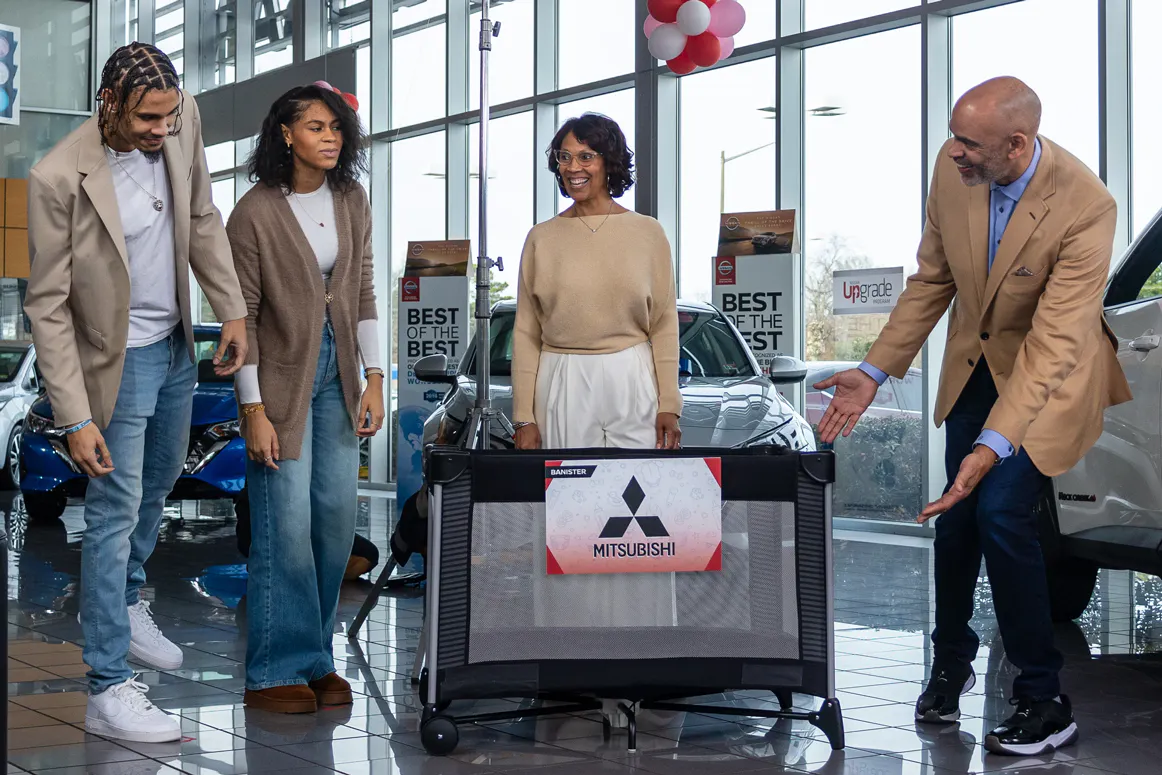
We're so excited to welcome a new addition to the Banister family of dealerships, Banister Mitsubishi of Hampton located in Hampton, VA. Dan Banister has expanded his leadership to the Peninsula, building on a well-known name with more than 20 years in the automotive business in nearby communities like Chesapeake, Norfolk, and Virginia Beach.
Lots of folks in Hampton count on the high-quality vehicles and services found at Banister Mitsubishi, and we look forward to living up to our reputation every day. Stop in and see us today, or contact our staff with any questions!
— “Dan the Man” Banister
We’re confident you’ll find the vehicles you’re looking for at a price you can afford, and we'll provide a customer experience you won’t forget! Come and check out our full selection of new Mitsubishi vehicles, or get a great deal on a reliable pre-owned model. No matter which vehicle you decide on, our professional finance team will help you get settled with a competitive financing or lease plan.
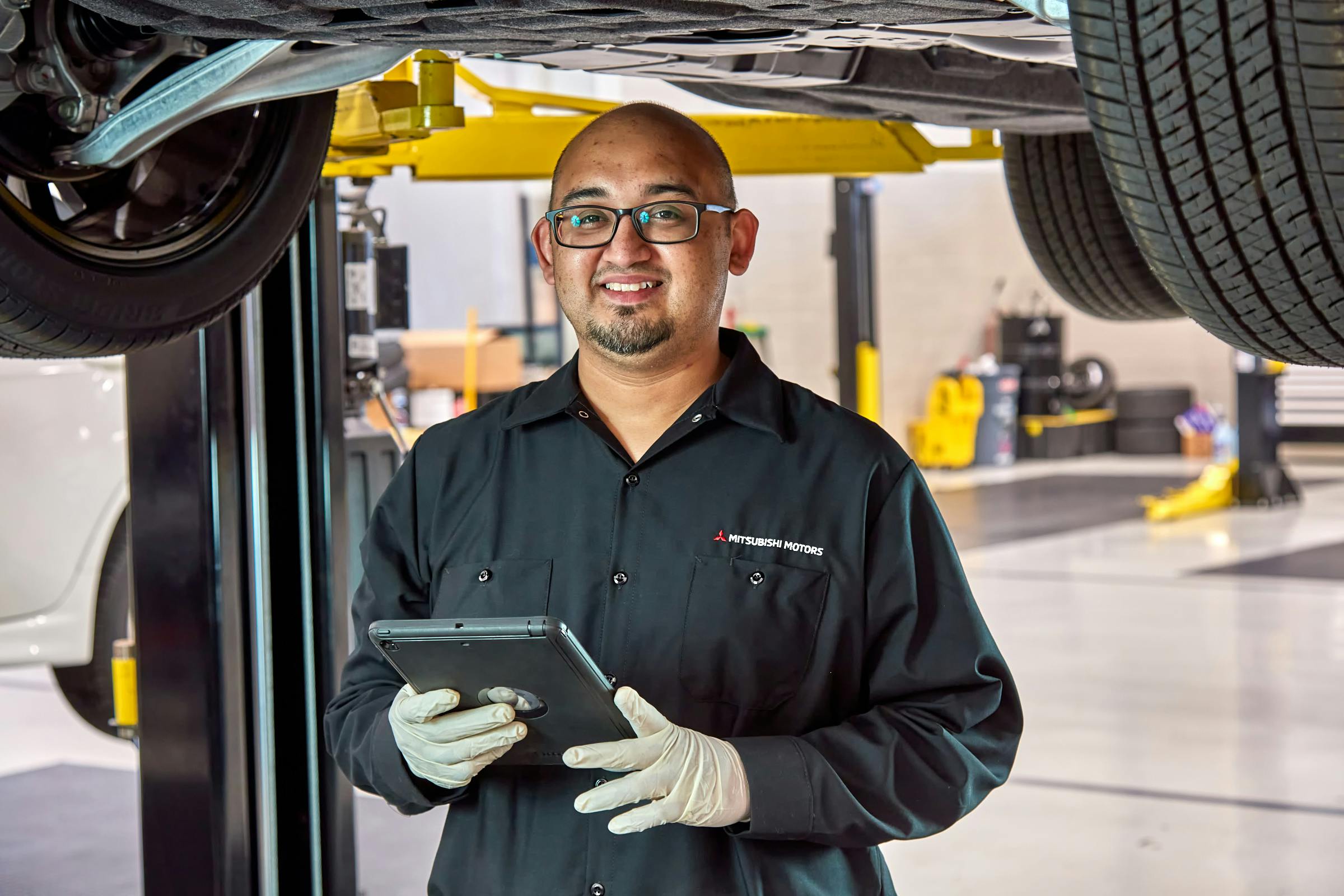
When you’re looking for quality auto maintenance and repairs near Hampton, you can always count on the certified professional technicians in our Mitsubishi service department. We handle everything from oil changes and filter replacements to powertrain and drivetrain repairs. Schedule an appointment today, or purchase parts from us to handle maintenance and repairs on your own!